
cost of 12mm toughened glass
Understanding Pilot Controlled Check Valves An Overview Pilot controlled check valves play a crucial role in hydraulic systems by ensuring fluid flows in a controlled manner. This type of valve is designed to prevent backflow while allowing for smooth forward flow under certain conditions, making it an essential component in various industrial applications. In this article, we will explore the functionality, advantages, and applications of pilot controlled check valves. What are Pilot Controlled Check Valves? A pilot controlled check valve is a specialized type of check valve that utilizes a pilot line to control its operation. Traditional check valves rely on the pressure of the fluid itself to operate, allowing flow in one direction while preventing it in the opposite direction. However, pilot controlled check valves add an additional layer of functionality by incorporating a pilot signal, usually from a hydraulic pilot line, to modulate the valve's state. When the pilot signal is activated, it can overcome the resistance of the check valve, allowing flow in the reverse direction. This unique feature enables systems to manage flow direction more effectively, especially in applications where changes in flow direction are necessary. How Do Pilot Controlled Check Valves Work? The operation of pilot controlled check valves involves two key components the check valve itself and the pilot control mechanism. The check valve may consist of a poppet or ball design that opens or closes based on pressure differentials. 1. Flow in Forward Direction When fluid flows in the intended forward direction, the pressure is sufficient to keep the check valve open, allowing for continuous flow throughout the system. 2. Pilot Activation When there is a need to change the flow direction or to allow backflow, a hydraulic signal is sent through the pilot line. This pilot pressure acts on a piston or diaphragm, enabling the valve to open against the backward flow. 3. Backflow Prevention If the pilot signal is not present, the check valve remains closed, preventing any backflow. This feature is vital for ensuring safety and efficiency in hydraulic systems, as backflow can lead to equipment damage or inefficient operations. Advantages of Pilot Controlled Check Valves Pilot controlled check valves offer several advantages over traditional check valves 1. Versatility These valves can adapt to different operational conditions, allowing for controlled backflow and flow reversal as required. pilot controlled check valve 2. Enhanced Control By utilizing a pilot signal, operators can manage the flow direction more precisely, enabling complex hydraulic operations without the risk of backflow . 3. Reduced Pressure Drop Since these valves can be opened by a pilot signal, they often maintain lower pressure drops in the system compared to conventional check valves, which can lead to improved overall system efficiency. 4. Improved Safety The prevention of unintentional backflow helps to protect the hydraulic system and its components, mitigating risks associated with pressure fluctuations. 5. Simplified System Design Incorporating pilot controlled check valves can often lead to simpler circuit designs, reducing the need for multiple components and enhancing system reliability. Applications of Pilot Controlled Check Valves Pilot controlled check valves are widely used across various industries, including 1. Mobile Equipment In construction and agricultural machinery, these valves are integral in controlling fluid movement in hydraulic actuators, ensuring smooth operation under varying load conditions. 2. Manufacturing In automated assembly lines, pilot controlled check valves help maintain precise flow control, enhancing equipment performance and safety. 3. Oil and Gas These valves are crucial in offshore and onshore operations, managing fluid movements and preventing hazardous backflows in pipeline systems. 4. Aviation In aircraft hydraulic systems, pilot controlled check valves help manage pressures and fluid flow in critical systems, ensuring safety and functionality during flight. 5. Marine Engineering In marine vessels, these valves facilitate efficient control of ballast and other fluid systems, contributing to vessel stability and safety. Conclusion Pilot controlled check valves are essential components in modern hydraulic systems, offering superior control, safety, and efficiency. Their ability to manage flow direction and prevent backflow makes them invaluable in various applications, from mobile equipment to industrial processes. As technology continues to advance, the versatility and functionality of these valves will likely enhance their importance in hydraulic engineering and industrial applications. Understanding their operation and benefits can lead to more effective use and optimization in various systems, paving the way for innovation in hydraulic technology.
about
cost of 12mm toughened glass
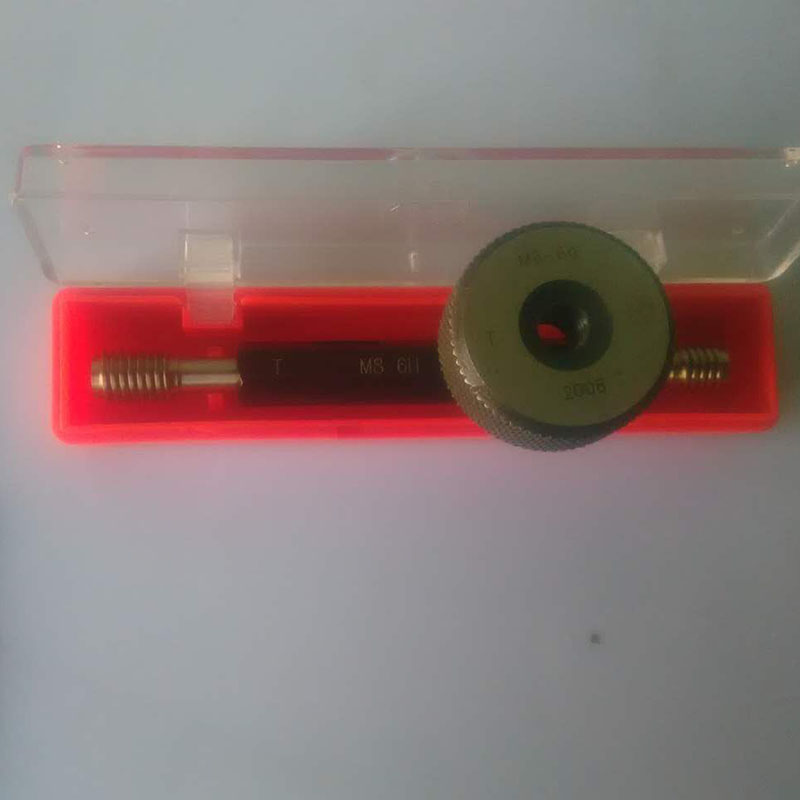
Understanding Spline Plug Gauges Essential Tools for Precision Engineering In the realm of precision engineering, the importance of accurate measurements cannot be overstated. One of the unsung heroes in this field is the spline plug gauge. These specialized tools are indispensable in ensuring that component parts fit together perfectly, promoting functionality and reliability in various applications across industries. What is a Spline Plug Gauge? A spline plug gauge is a precision measurement tool used to assess the dimensions and tolerances of spline holes in mechanical components. Spline holes, which are characterized by their unique geometries — typically defined by a series of grooves or teeth — facilitate torque transmission between shafts and other components. Ensuring that these spline profiles are manufactured to exact specifications is crucial, as even minor deviations can lead to performance issues, increased wear, or even complete system failure. Spline plug gauges are specifically designed to fit into these spline holes, allowing engineers and quality control inspectors to verify that the dimensions meet the required standards. They come in various shapes and configurations, tailored to the specific characteristics of the spline being measured. Types of Spline Plug Gauges There are primarily two types of spline plug gauges GO and NO-GO gauges. The GO gauge is used to determine if a spline hole is within acceptable limits — if it fits, then the part is considered acceptable . Conversely, the NO-GO gauge ensures that the part has not exceeded its maximum tolerance. If the NO-GO gauge fits, it indicates that the part is out of specification and requires further adjustment or re-manufacturing. spline plug gauge In addition to these standard types, spline plug gauges can also be customized for specific applications. This customization involves adjusting the size, shape, and tolerances of the gauge according to the particular spline profile being inspected. Such custom gauges can offer a higher level of precision and reliability, especially in industries where tolerances are extremely tight. Importance of Spline Plug Gauges The role of spline plug gauges extends far beyond mere measurement; they are crucial in maintaining quality control in manufacturing processes. By utilizing these gauges, manufacturers can 1. Ensure Compatibility Spline plug gauges help verify that components will fit together seamlessly, ensuring proper functionality. 2. Reduce Rework and Waste Early detection of measurement issues can help in the identification of faulty components before they proceed to assembly, thus minimizing rework and material waste. 3. Enhance Safety In applications where mechanical failures can lead to safety hazards, ensuring proper fit and function through rigorous testing with spline plug gauges is critical. 4. Improve Customer Satisfaction Delivering high-quality components that meet specifications leads to greater customer satisfaction and trust in a manufacturer’s capabilities. Conclusion In conclusion, spline plug gauges are essential instruments in the field of precision engineering. By ensuring that spline holes are manufactured to exact specifications, these gauges play a pivotal role in maintaining the integrity and functionality of mechanical systems. As industries continue to advance and demand higher precision, the relevance of spline plug gauges remains steadfast. Professionals in engineering, quality control, and manufacturing must recognize and implement these vital tools to foster reliability and excellence in their products. With the right spline plug gauges in hand, the path to precision is paved with certainty.
-

High quality industrial productsagement

High quality industrial products
View Details -

Meet the diverse needs of customers

Meet the diverse needs of customers
View Details -

Strict quality control

Strict quality control
View Details -

Top raw materials

Top raw materials
View Details -

Trusted supplier

Trusted supplier
View Details
Our application


news and information

water valves
Understanding Water Valves Essential Components in Fluid Control Water valves are critical component

Y-Type Cast Iron Strainers for Efficient Fluid Filtration Solutions
Understanding Cast Iron Y-Type Strainers A Comprehensive Overview Strainers play an essential role i
Vibration Dampening Pads for Industrial Machinery and Equipment in Heavy Applications
Vibration Damping Pads for Heavy Machinery An Essential Component for Performance and Longevity In t
 English